Browse by topic: All · Fraud and abuse compliance · Investigations · Medicare and Medicaid · Information blocking · Whistleblowers · Other topics
Fraud and abuse compliance
- Fraud and abuse compliance
Digital Health and the FDA: When Software Becomes a Medical Device
The FDA defines Software as a Medical Device (SaMD) as software “intended to be used for one or more medical purposes that perform these purposes without being part of a hardware medical device.” In plain English: if your app, algorithm, or platform is intended to diagnose, cure, treat, mitigate, or prevent disease, the FDA may consider it a medical device — even if it’s just running on a smartphone.
- Fraud and abuse compliance
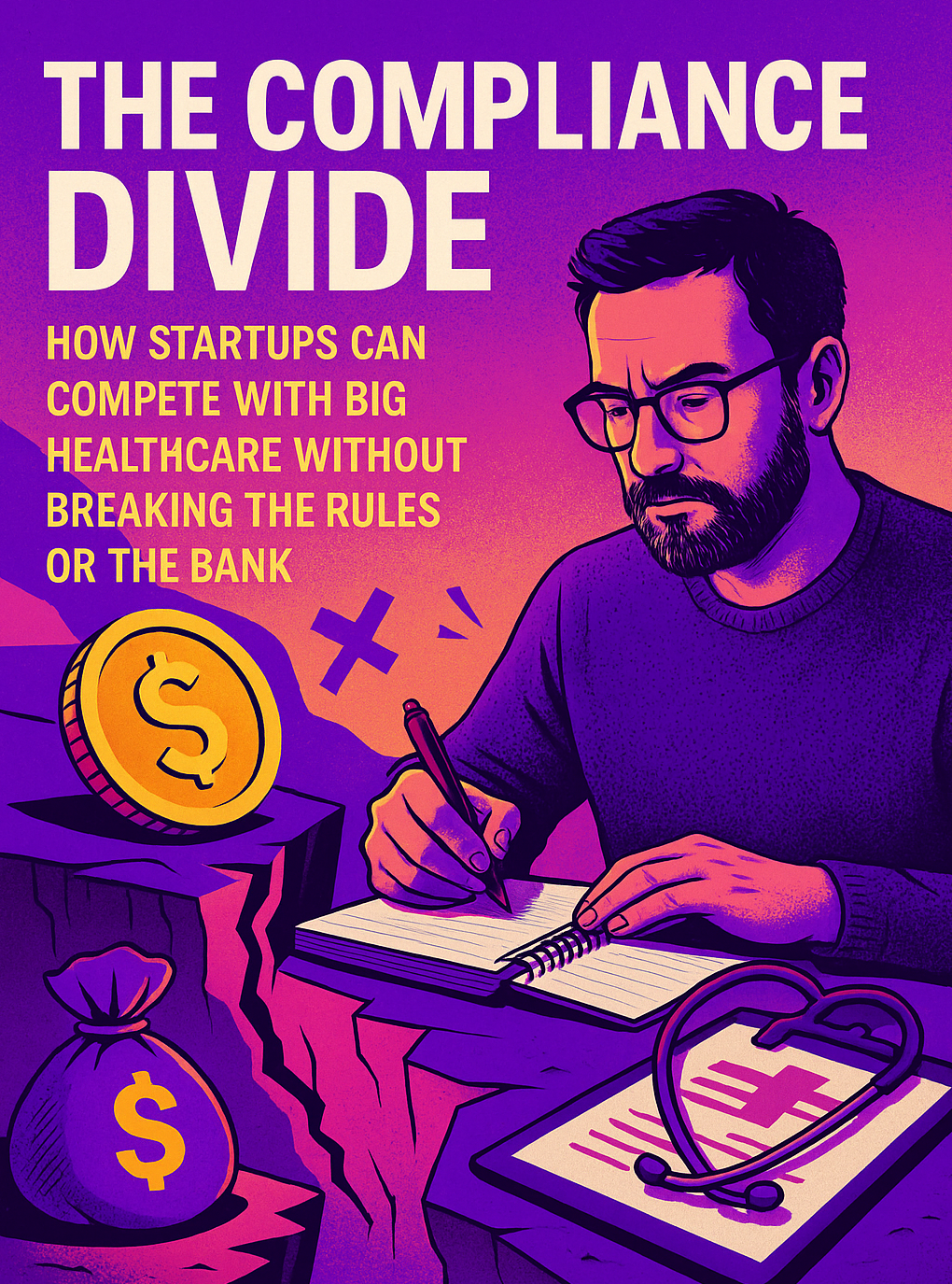
The Compliance Divide: How Startups Can Compete with Big Healthcare Without Breaking the Rules or the Bank
For founders in digital health, biotech, or life sciences, compliance isn’t optional — but it also can’t become a black hole for resources. The challenge is building a compliance infrastructure that protects the company and satisfies regulators without spending like an enterprise.
- Fraud and abuse compliance
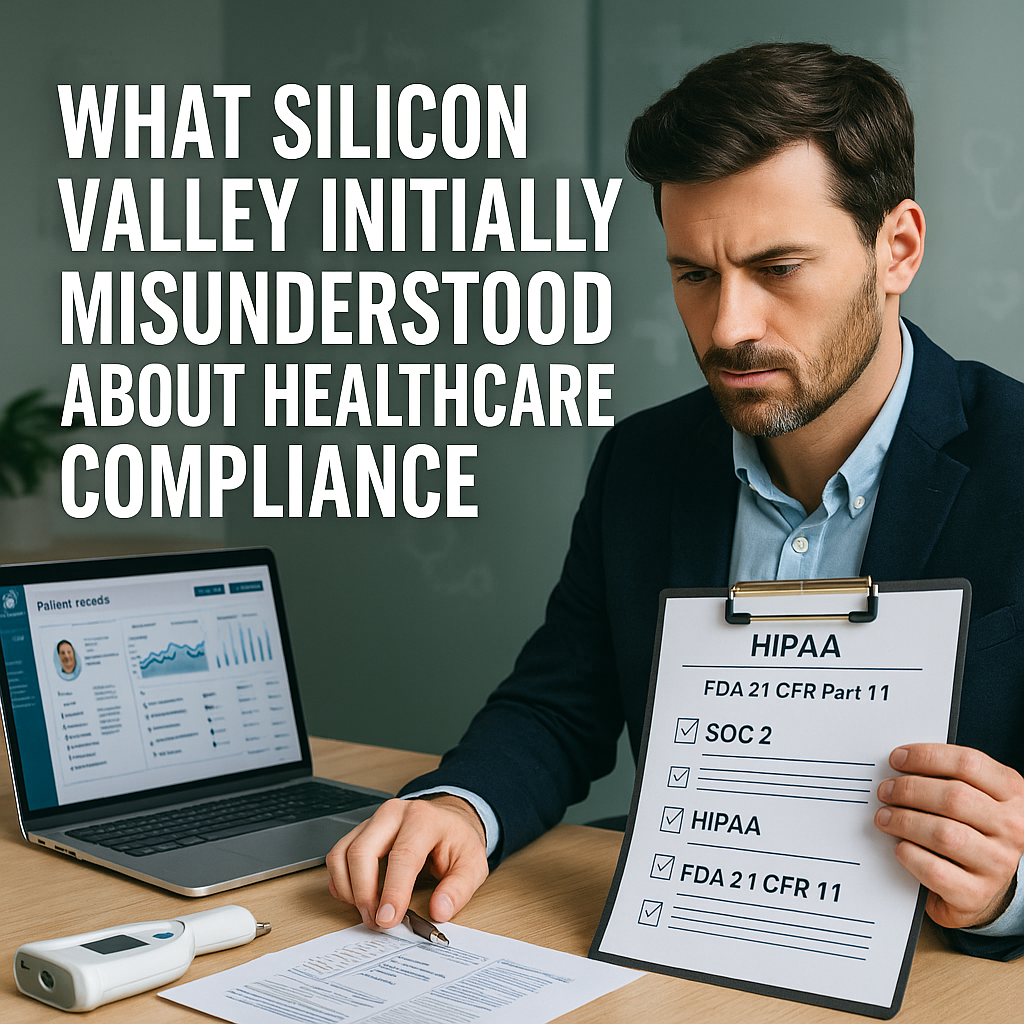
What Silicon Valley Initially Misunderstood About Healthcare Compliance
Most founders think of compliance as overhead — a checklist to satisfy investors or legal counsel. In reality, compliance is the operating system for trust. It dictates how your product interacts with patients, payers, and partners.
- Fraud and abuse compliance
How Do I Create a Compliance Training Program That Actually Works?
Regulators, customers, and business partners increasingly expect companies to show that they not only have a compliance program on paper, but that they have a culture of compliance—one where employees understand the rules and feel empowered to apply them in practice. Training is one of your best tools to build that culture. But to be effective, it must go beyond the basics.
- Fraud and abuse compliance
Who Should Be Responsible for Compliance in a Small or Midsize Company?
The challenge for smaller businesses is: who owns compliance? You may not have the budget or headcount for a full-time Chief Compliance Officer. But regulators, customers, and partners still expect you to have a credible compliance program.